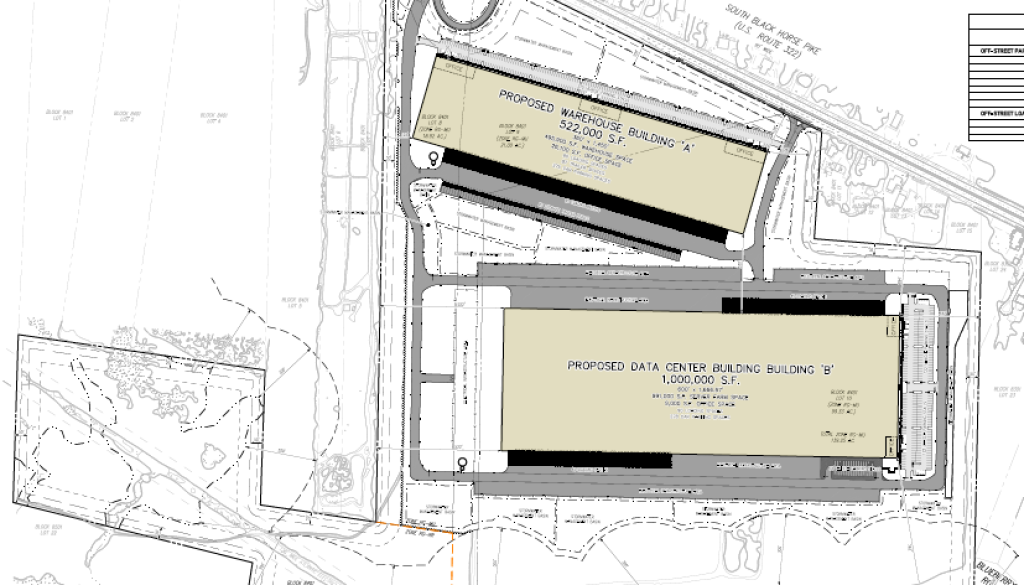
When a Data Center Claims It Can Talk
A South Jersey township banned data centers after residents spoke up. Now a developer is suing, arguing the ban violates free speech. First case of its kind.

Glamour Doesn't Cancel Out the Camera
Meta got caught with facial recognition code on 50 million phones. Weeks later, it launched camera glasses fronted by Kylie Jenner, her name, her voice, her home life. I don't think that's a coincidence. This is what the campaign is actually selling, and who's expected to buy it.
The AI You Can See Isn't the Only One You Should Worry About
A major UN human rights body named AI as a site of gender-based harm. It called on governments to regulate. It was a meaningful step. The draft acknowledged AI as a site of gender-based harm. But it named the visible harms more clearly than the structural ones, and called for dialogue where it needed to require accountability. Laura Carter, PhD and I submitted formal comments on behalf of WAIE+. This is what we found, and what we asked them to fix.

Opting Out of Your Child Being Filmed for AI Shouldn't Be the Default
This week, 404 Media reported that University of Washington researchers planned to have preschool teachers wear body cameras to record children for AI model training. Parents received a permission form. The program was opt-out, not opt-in. The consent architecture raised immediate flags. But the deeper is that it was approved.

Because AI Said So
A few months ago I ended a consulting gig on my terms. I had built a brand strategy from scratch, a business development framework, nearly 20 years of experience poured into work that was meant to last. Then I was told: "AI said to do marketing this way." That was the whole argument. And it pointed at something much bigger than one bad meeting.

Meta Smart Glasses and the Privacy Problem
When my roofer walked through my front door wearing Meta smart glasses that were actively recording, I didn't know how to respond. I wish I had. That moment opened up a much larger question: who is protecting bystanders from a technology that records first and asks permission never? From Meta's shifting data policies to the complete absence of federal privacy law in the United States, the ethical and regulatory gaps around smart glasses are wider than most people realize.

The Window Is Closing: What OpenAI's Pivot Tells Us About AI Accountability
OpenAI's enterprise pivot looks like a strategy decision. It's actually a pattern. One we've seen before in American corporate history, with GE, with IBM, and with consequences that took decades to surface. The difference this time is that AI is compressing that entire arc into years, and the governance infrastructure meant to catch the harms isn't moving anywhere near fast enough to keep up.

Nobody Asked Us
The men running AI companies have their justifications. The rest of us have the consequences. A conversation with Claude, annotated, on ego, power, and who gets left out of the frame.